
Trouble Telling Colors Apart Can Affect Everyday Life
It could be color vision deficiency.
Color deficiency is a vision condition that makes it difficult to distinguish certain colors.
MORE THAN 12 MILLION AMERICANS
are affected by color vision deficiency
What is Color Blindness?
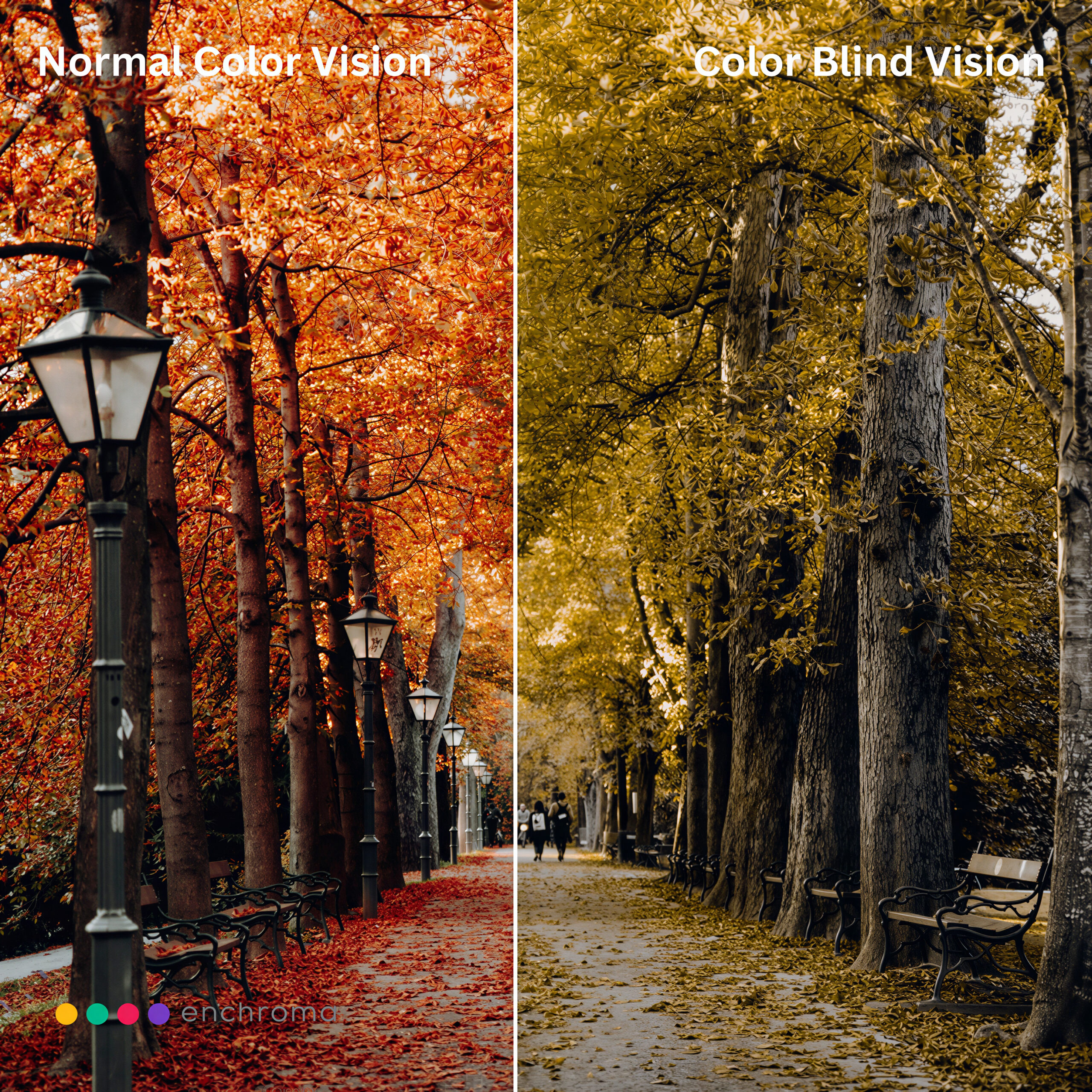
Color blindness, also called color vision deficiency, is a condition that makes it difficult to distinguish certain colors. The most common types affect the ability to tell red and green apart, though some people may also have trouble with blue and yellow shades. Color blindness is usually inherited and present from birth, but it can also develop later in life due to eye conditions, aging, or certain medications.

How is Color Blindness Diagnosed?
Color blindness is diagnosed through a simple eye exam using specialized color vision tests. These tests evaluate how well you can distinguish between different colors and help determine the type and severity of the condition. Early diagnosis can help improve learning, job performance, safety, and everyday activities.
EnChroma for Color Blindness:
Changing Lives One Pair at a Time.
Changing Lives One Pair at a Time.
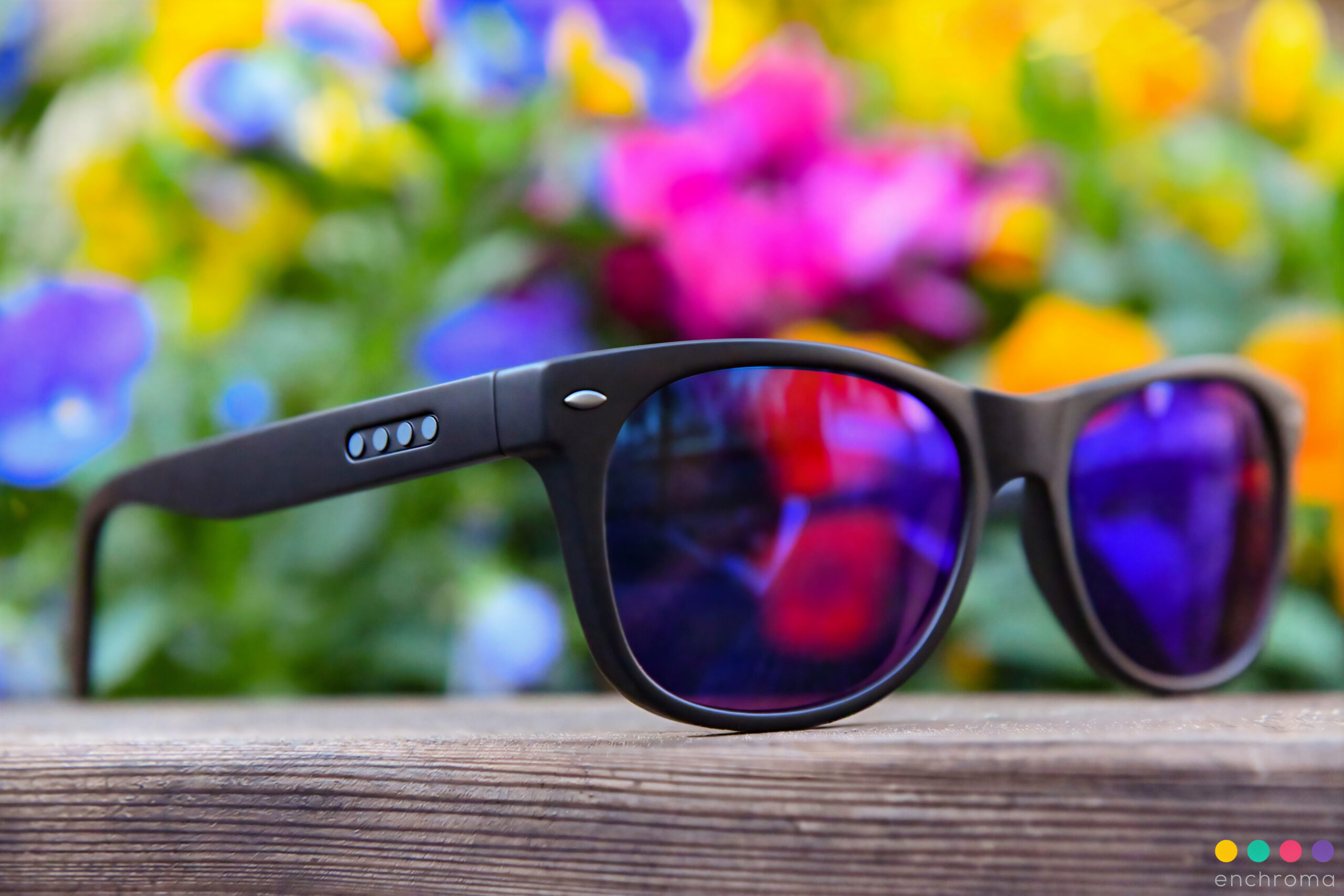
EnChroma glasses are designed to help people with color vision deficiency experience colors more vividly and naturally. Color blindness, most commonly red-green deficiency, can make certain shades difficult to distinguish and affect everyday activities at school, work, and while driving.
EnChroma lenses use advanced light-filtering technology to enhance color contrast and improve color perception for many patients with red-green color blindness. While results vary from person to person, many individuals notice brighter, richer, and more distinct colors when wearing the glasses.
If you or a family member struggle with color vision, visit Premier Eye Associates to learn more about color vision testing and whether EnChroma glasses may be a good fit for you.