Lens Services
Today’s eyeglass lenses offer far more than just vision correction. Modern technology allows us to customize your lenses for clearer vision, greater comfort, and better protection for your eyes. Below is a simple overview of the most popular lens features to help you decide what may be right for you.
Lens Materials
Most lenses today are made from advanced lightweight plastics rather than glass. Each material offers its own benefits. Standard Plastic (CR-39) is the most basic option and tends to be thicker and heavier. Polycarbonate lenses are thinner, lighter, and highly impact-resistant, making them a great choice for everyday wear and for children. Trivex lenses offer similar protection to polycarbonate but with even better visual clarity. High-Index lenses are designed for higher prescriptions. They are the thinnest and lightest lenses available, providing a more comfortable fit and a better cosmetic appearance.
Hard Coat Finish
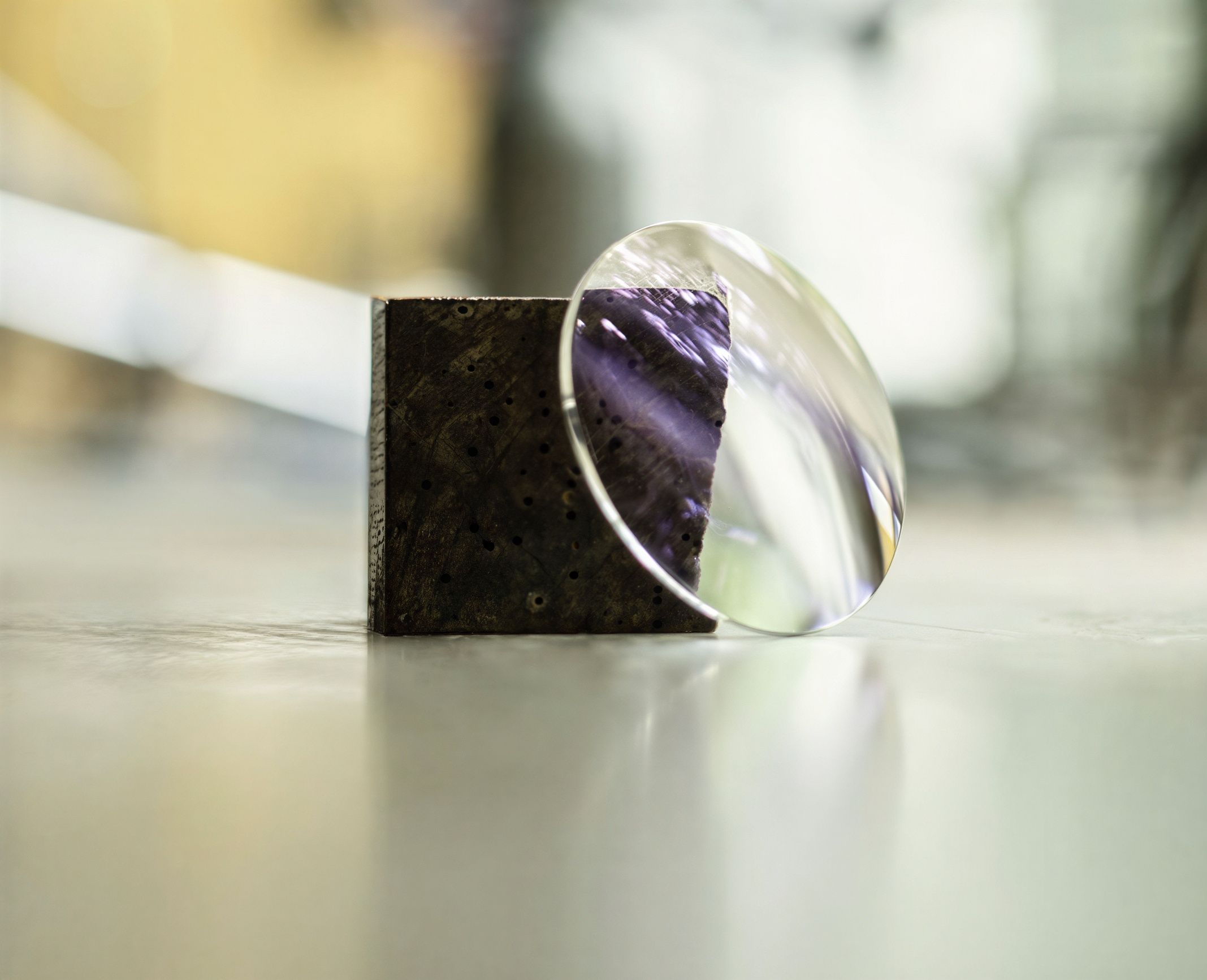
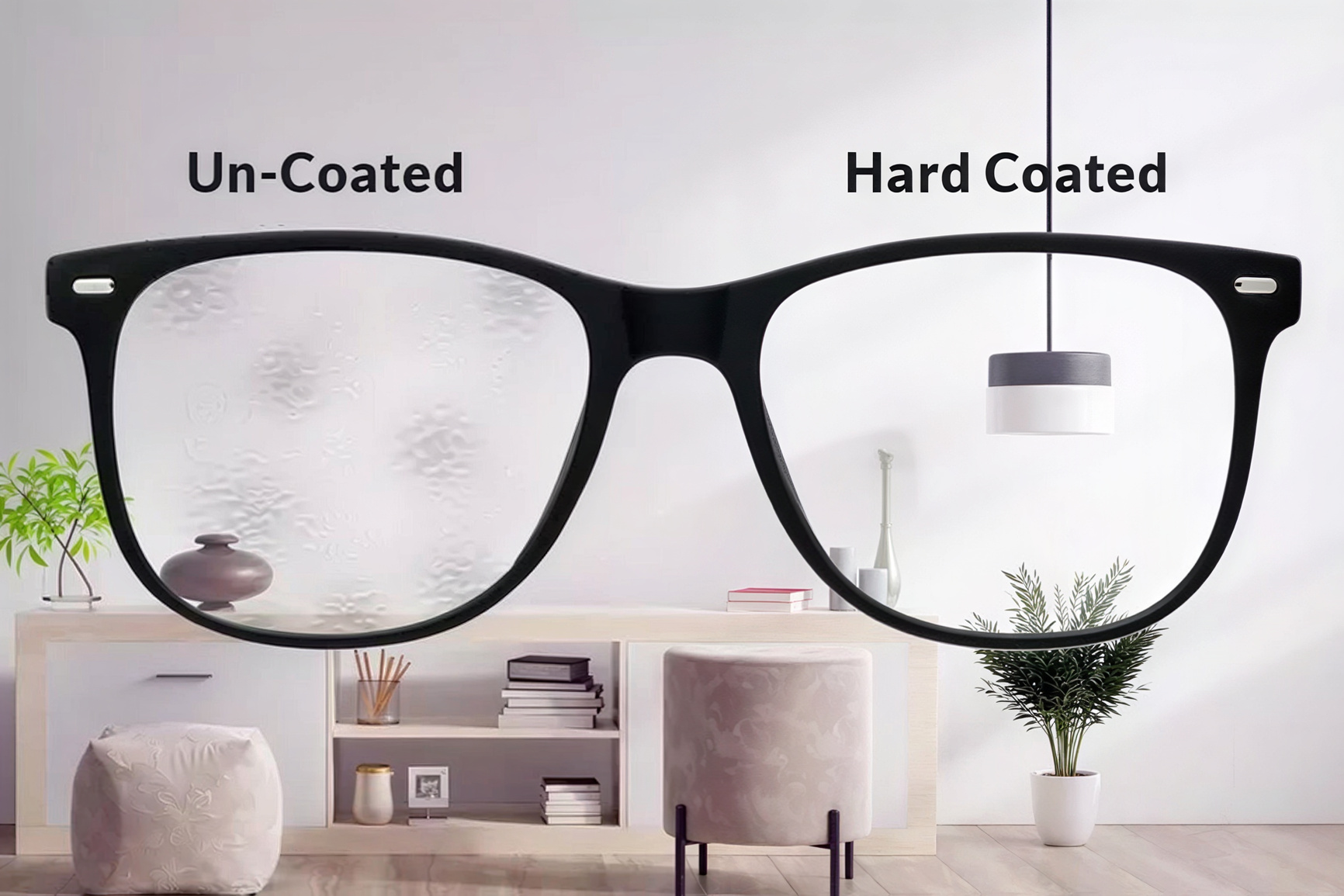
A hard coat is a protective layer applied to both sides of your lenses. It significantly improves scratch resistance and helps your lenses stay clearer and newer looking over time. This is an essential upgrade for durability and long-term value.
Anti-Reflective Coating
Anti-Reflective (AR) coating is essential to lenses, and we never prescribe lenses without it. This advanced coating reduces glare and reflections by over 80 percent. It is especially helpful for night driving, screen use (phone, computer, etc.), and time spent under bright indoor lighting. Patients often notice less eye strain and sharper, more comfortable vision. AR coating also improves the cosmetic appearance of your glasses by eliminating distracting reflections so others can see your eyes more clearly. As an added bonus, premium AR coatings include scratch resistance and hydrophobic properties, meaning water, dust, and smudges wipe off more easily.
Photochromic (Transitions) Lenses
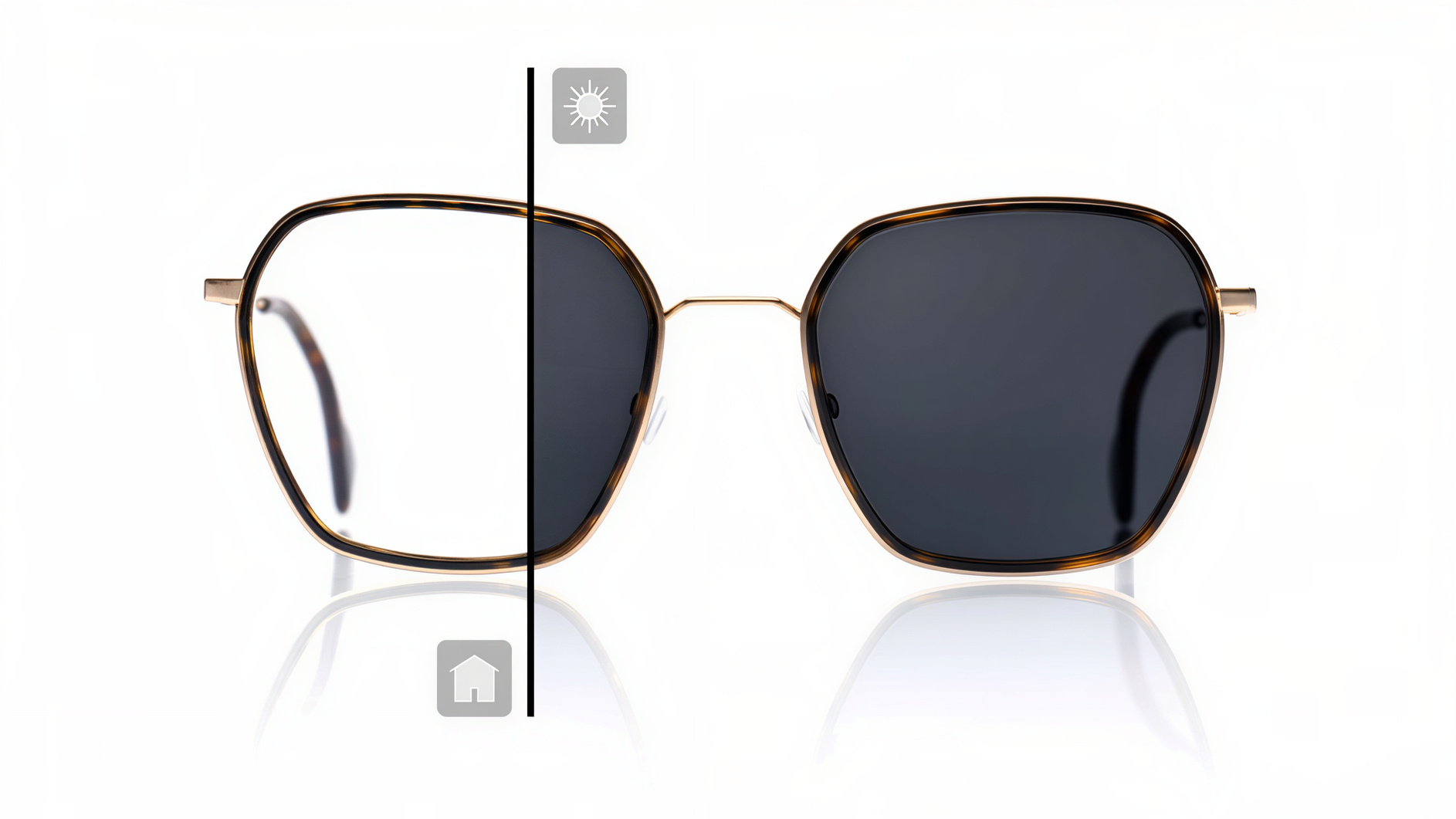
Photochromic lenses are light-adaptive: automatically adjust to light. They are clear indoors and darken outdoors in sunlight, providing built-in sun protection without needing a separate pair of sunglasses. These lenses block harmful UV rays.

Color-Tinted Sunglasses
Tinted lenses combine style with function. They can enhance comfort for patients who are sensitive to light or suffer from migraines or glare sensitivity. Popular colors include gray, brown, and green, each offering different visual advantages. Tints can be solid throughout the lens or gradient, where the top is darker and the bottom is lighter, making them great for reading or dashboard viewing. Mirror coatings are also available for added glare protection and a bold look.
Polarized Sun Lenses
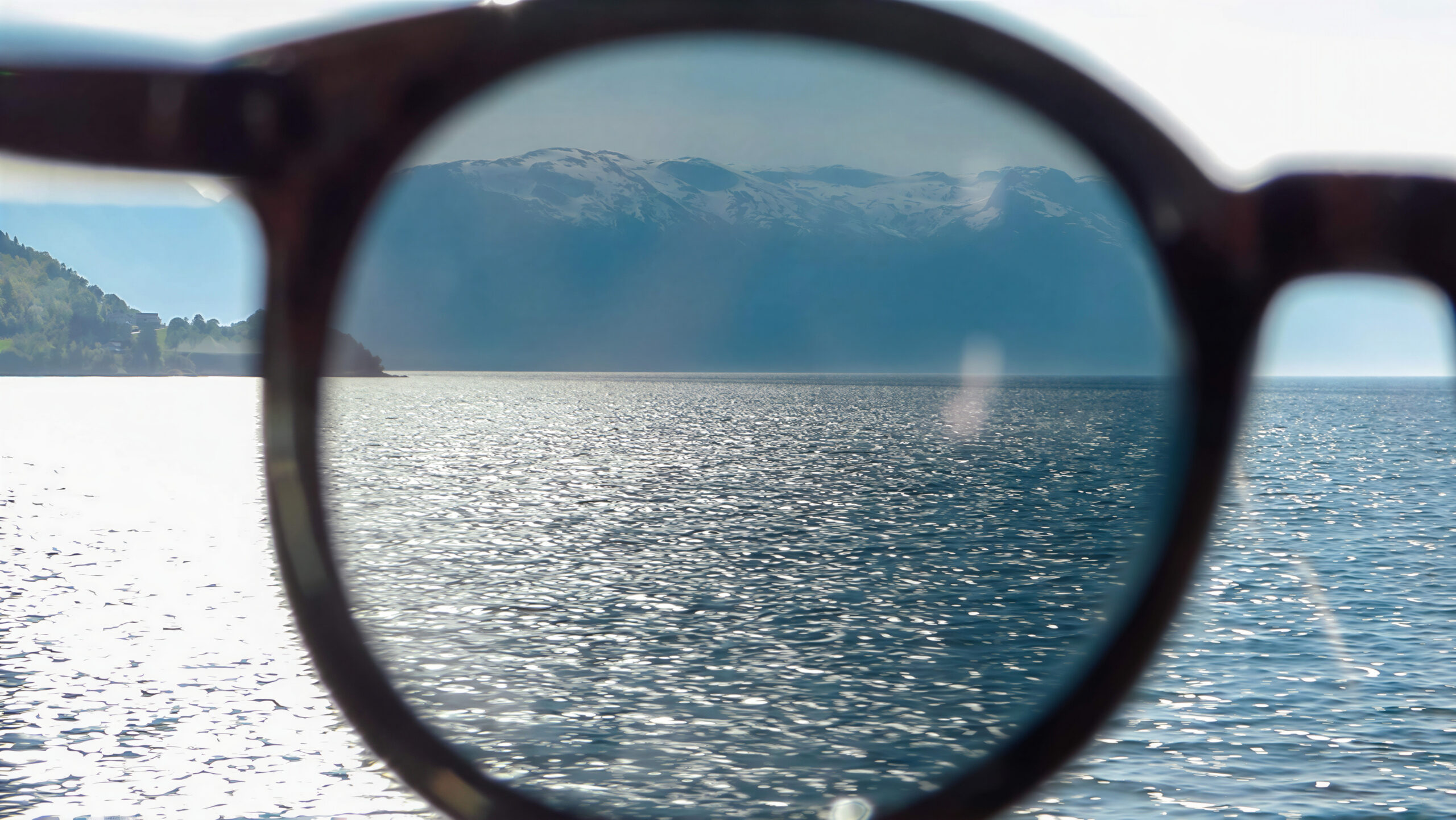
Polarized lenses are the gold standard for sun protection and glare reduction. They eliminate harsh reflected light from roads, water, windshields, and other flat surfaces. This makes them ideal for driving, boating, fishing, beach activities, and outdoor sports. Patients often describe polarized vision as crisper, richer, and more relaxing.

Children and Sunglasses
Children’s eyes are even more sensitive to UV exposure than adults. Protective sunglasses help shield their eyes from long-term sun damage. We recommend quality UV-blocking lenses along with hats or visors for maximum protection during outdoor activities.
Yellow Lenses for Hunting and Shooting
Yellow and orange lenses are popular among hunters and sport shooters because they enhance contrast in low-light conditions like dawn and dusk. They filter blue light, making targets stand out more clearly against the background and improving depth perception.